Adult Sleep Problems: When You Are Exhausted but Cannot Switch Off | Neurofeedback for Sleep in Round Rock, TX
Exhausted but Can’t Switch Off? Adult Sleep Problems and Where Neurofeedback Fits
By Mary Parker, LPC-S | Clinical Director, Infinite Potential
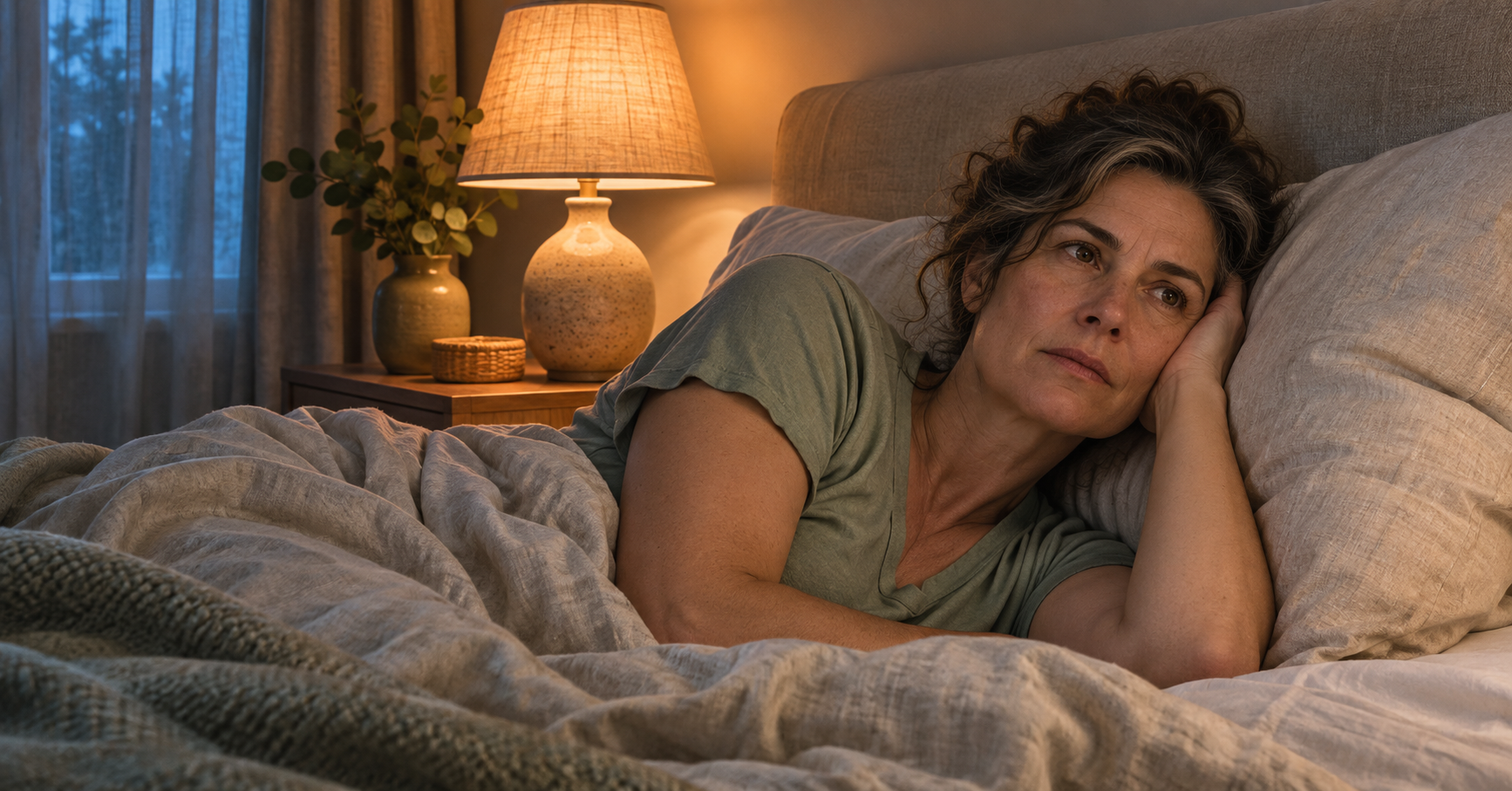
You nearly fall asleep on the couch. Then you get into bed and start replaying a conversation, thinking through tomorrow’s schedule, or checking how many hours you have left before the alarm. You’re exhausted. You’re also wide awake.
Feeling exhausted and being ready to fall asleep are different experiences. Sleep timing, stress, pain, medications, and other health factors can all matter. If you’re exploring neurofeedback for sleep, start by identifying what happens on a typical difficult night. Trouble settling at bedtime, repeated waking, and feeling unrefreshed after a full night call for different questions. healthquality.va.gov
What does “I can’t sleep” mean for you?
One useful starting point is to finish this sentence: “The hardest part of sleep for me is…”
“I’m tired, but I can’t fall asleep.” Notice what happens in the hour before bed. Are you finishing work, anticipating tomorrow, dealing with discomfort, or only feeling sleepy much later than you intended?
“I fall asleep, but I keep waking up.” Note what you remember about the awakenings. Waking with pain, waking to use the bathroom, and waking with a rush of worry are different experiences to bring to a clinician.
“I sleep for hours and still feel unrefreshed.” Describe what that looks like the next day. Feeling worn out and repeatedly nodding off while reading or sitting through a meeting are different details worth sharing.
If you have frequent loud snoring, gasping during sleep, witnessed pauses in breathing, or persistent daytime sleepiness, bring those symptoms to a qualified healthcare professional. They can assess whether you need a sleep evaluation. A neurofeedback consultation or qEEG brain map does not replace that step. NHLBI, NIH
What does the research say about neurofeedback for sleep?
EEG neurofeedback uses scalp sensors to record electrical activity. Software turns selected features of that signal into feedback you can see or hear during training. The sensors record activity; they do not deliver electrical stimulation.
Neurofeedback has been studied for sleep. A 2024 review of randomized trials found that some groups reported better sleep after training, but the pooled results did not show an added benefit over comparison groups for sleep quality or insomnia symptoms. If you’re curious about neurofeedback because you have trouble shifting out of work mode, ask what the proposed training would target and how you’d assess whether it’s helping in everyday life. A goal such as winding down more easily is something to track, not an outcome to promise. PMC
For chronic insomnia, the American Academy of Sleep Medicine recommends cognitive behavioral therapy for insomnia, or CBT-I. CBT-I is a structured treatment; it goes beyond advice like avoiding late caffeine or putting your phone away. If difficulty falling or staying asleep persists and affects your day, ask an appropriately trained clinician whether CBT-I or another evaluation is the right next step. pmc.ncbi.nlm.nih.gov
What can qEEG brain mapping tell you?
A quantitative EEG, or qEEG, is an analysis of electrical activity recorded from the scalp. At Infinite Potential, we may consider those patterns alongside your history, concerns, and goals when discussing an individualized neurofeedback plan.
A qEEG brain map does not diagnose insomnia or sleep apnea. It also can’t tell you why you woke at 3 a.m. or predict whether neurofeedback will improve your sleep. If you’re offered a brain map, ask: “What information would it add, and how would that change the plan?”
Track one sleep goal and one daytime goal
You don’t need a wearable or a detailed spreadsheet. For one ordinary week, jot down when you went to bed, roughly how long it took to fall asleep, what you remember about waking overnight, and how you felt the next morning. If relevant, add a detail such as a late shift, an unusually stressful evening, or a change in caffeine timing. Estimates are enough; there’s no need to watch the clock in bed.
Then choose one nighttime goal and one daytime sign that would matter to you. For example: “I want to spend less time replaying work conversations at bedtime, and I want enough energy to take a walk after dinner.” If you try a new approach, agree on when you’ll review both measures. One unusually good night doesn’t tell you much about the trend, and a sleep log alone can’t establish what caused a change.
How our Mind–Brain–Body approach guides the conversation
At Infinite Potential, we might ask what goes through your mind when the lights go out (mind), how easily you shift away from work or problem-solving (brain), and what you notice about pain, breathing, energy, or changes in your sleep schedule (body). Work hours, caregiving, and the sleep environment belong in the conversation, too.
That might lead to different next steps for two people with the same complaint. Someone who spends an hour mentally rehearsing tomorrow may want help with the transition out of work. Someone whose partner notices gasping at night needs to bring that observation to a healthcare professional. For a closer look at the evening transition, read Tired but Wired? Why Your Brain May Struggle to Slow Down at Night. NHLBI, NIH
Exploring neurofeedback for sleep in Round Rock, TX
Infinite Potential provides qEEG brain mapping and individualized neurofeedback at our Round Rock office, serving adults from Austin, Georgetown, Cedar Park, Leander, Hutto, Pflugerville, and nearby communities.
Request a neurofeedback consultation or call 512-230-3740. Bring one example of a difficult night and what you’d most like to change. We can discuss what sessions involve, how we’d evaluate progress, and whether a sleep or medical evaluation should come first.
About the author
Mary Parker, LPC-S, is the Clinical Director of Infinite Potential in Round Rock, Texas, and a certified neurofeedback provider. Her book The Basics of Functional Mental Health explores sleep and daily rhythms in chapter 9, The Rhythm of Restoration. For more conversations about mental health and everyday functioning, visit The Infinite Potential Podcast.
This article is educational and does not replace individualized medical or sleep care.
