
Assess. Understand. Optimize. Thrive.
Brain Performance & Optimization Center
Improve Attention and Focus
Build Better Habits for Lasting Success
Retrain Your Brain, Reset Your Life
Brain Optimization









Where Better Brain Function Begins
Train Your Brain. Transform Your Potential.
Your brain influences how you think, focus, respond, recover, learn, and perform every day.
At Infinite Potential Brain Performance & Optimization Center, we use advanced, non-invasive neurofeedback technology to help clients better understand and train the way their brain functions.
Neurofeedback, also known as EEG biofeedback, uses real-time brainwave activity to help the brain practice more balanced and efficient patterns. Each program begins with a QEEG Brain Map, which gives us insight into how an individual’s brain is functioning and helps guide a personalized neurofeedback protocol.
Rather than using a one-size-fits-all approach, training is customized around each client’s unique brain patterns, goals, and areas of concern.
Our approach is personalized, non-invasive, and designed for children, adults, professionals, athletes, and anyone looking to better understand and optimize how their brain functions.
Whether the goal is to overcome everyday challenges or perform at a higher level, we help create a path toward stronger brain function and greater potential.
Better Brain Performance. Greater Possibilities. Infinite Potential.
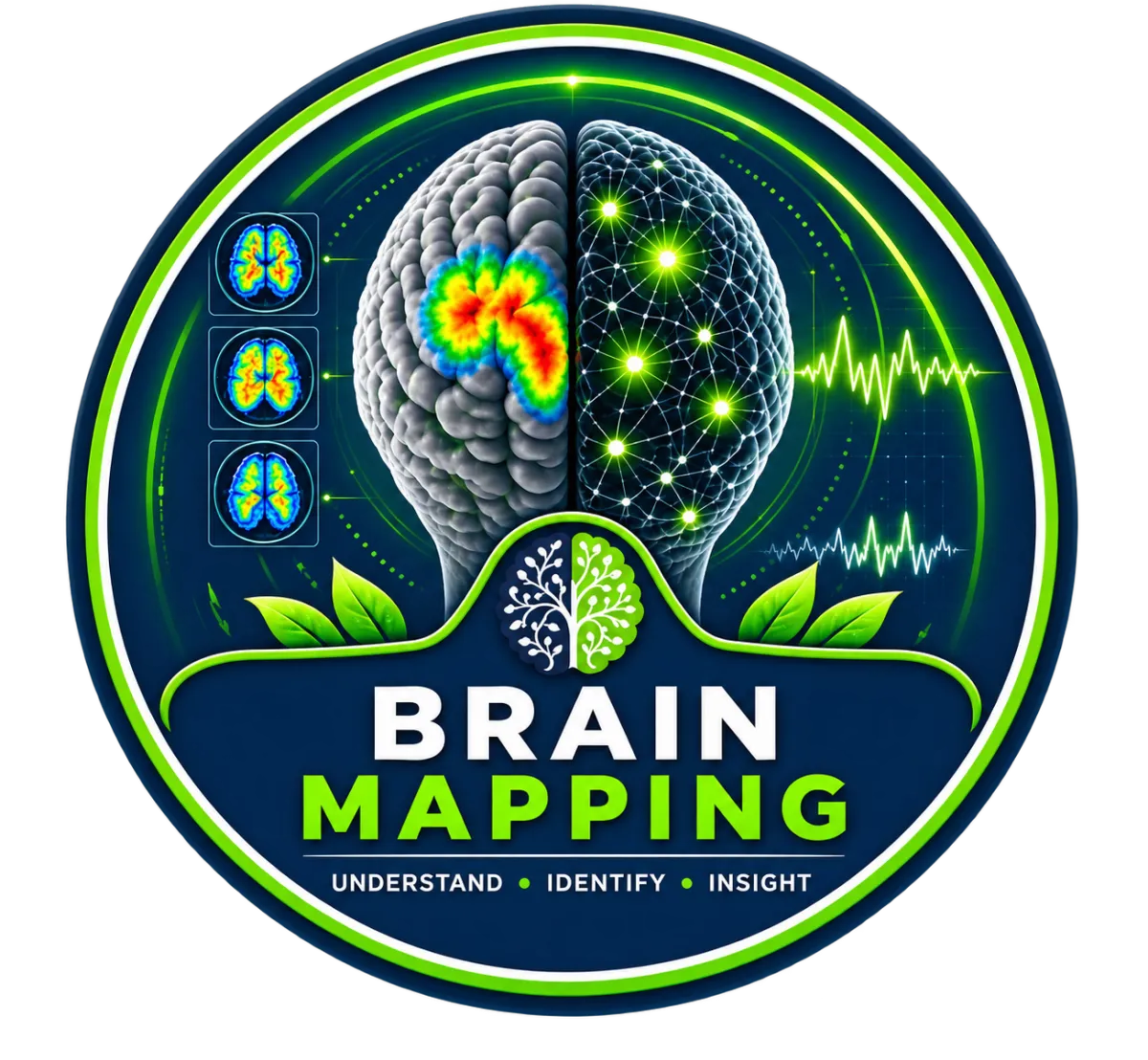
Brain Mapping
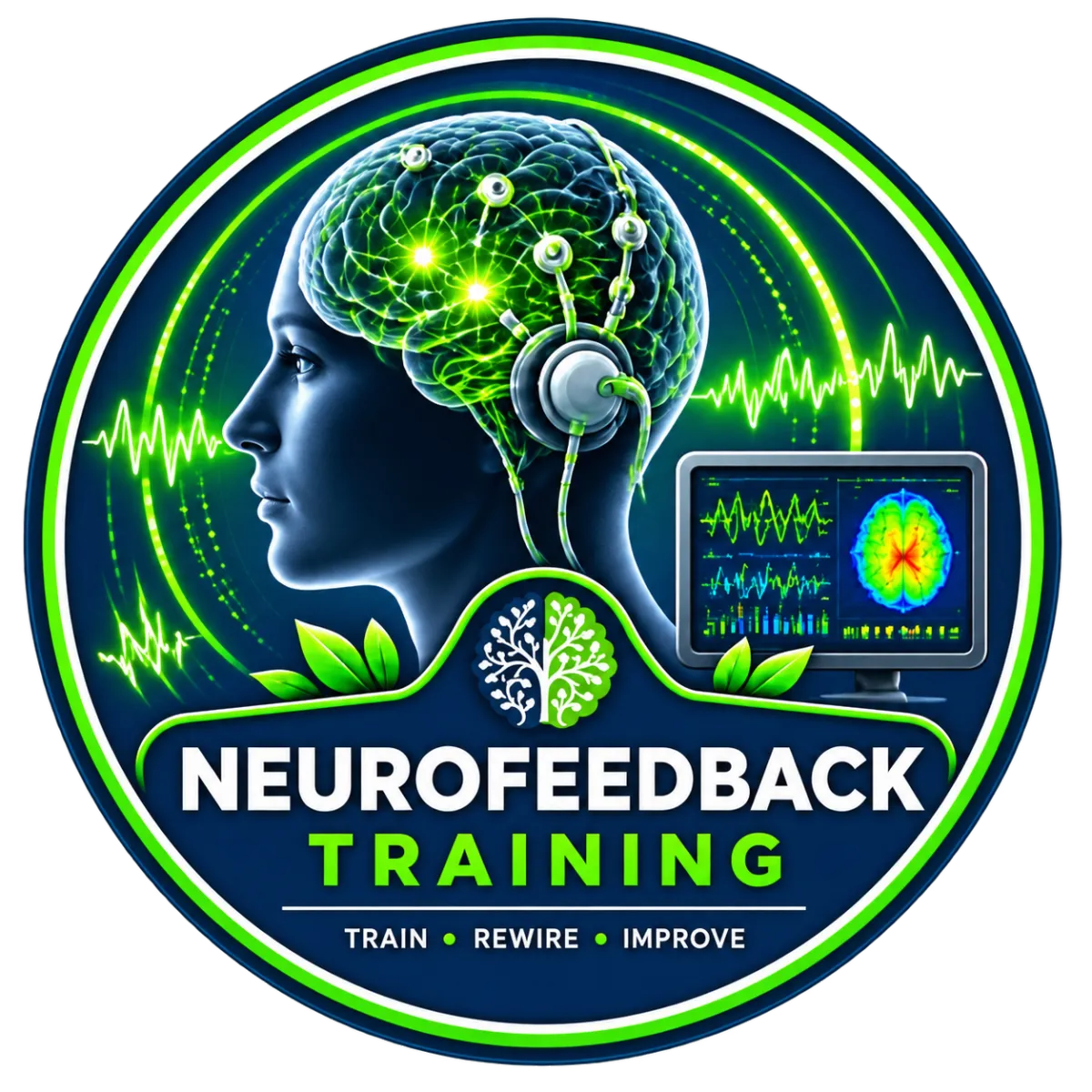
Neurofeedback Training
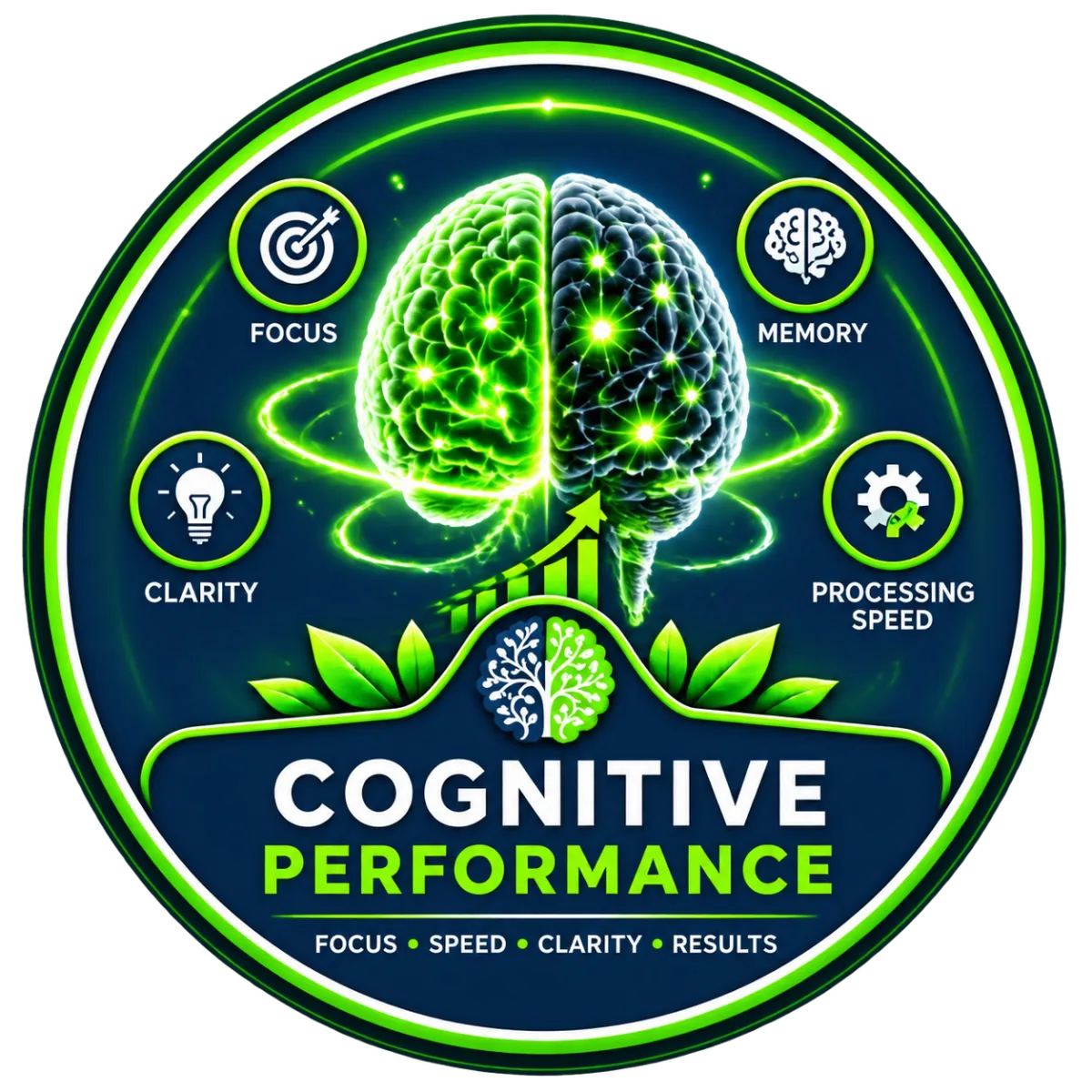
Cognitive Performance
Nervous System Regulation
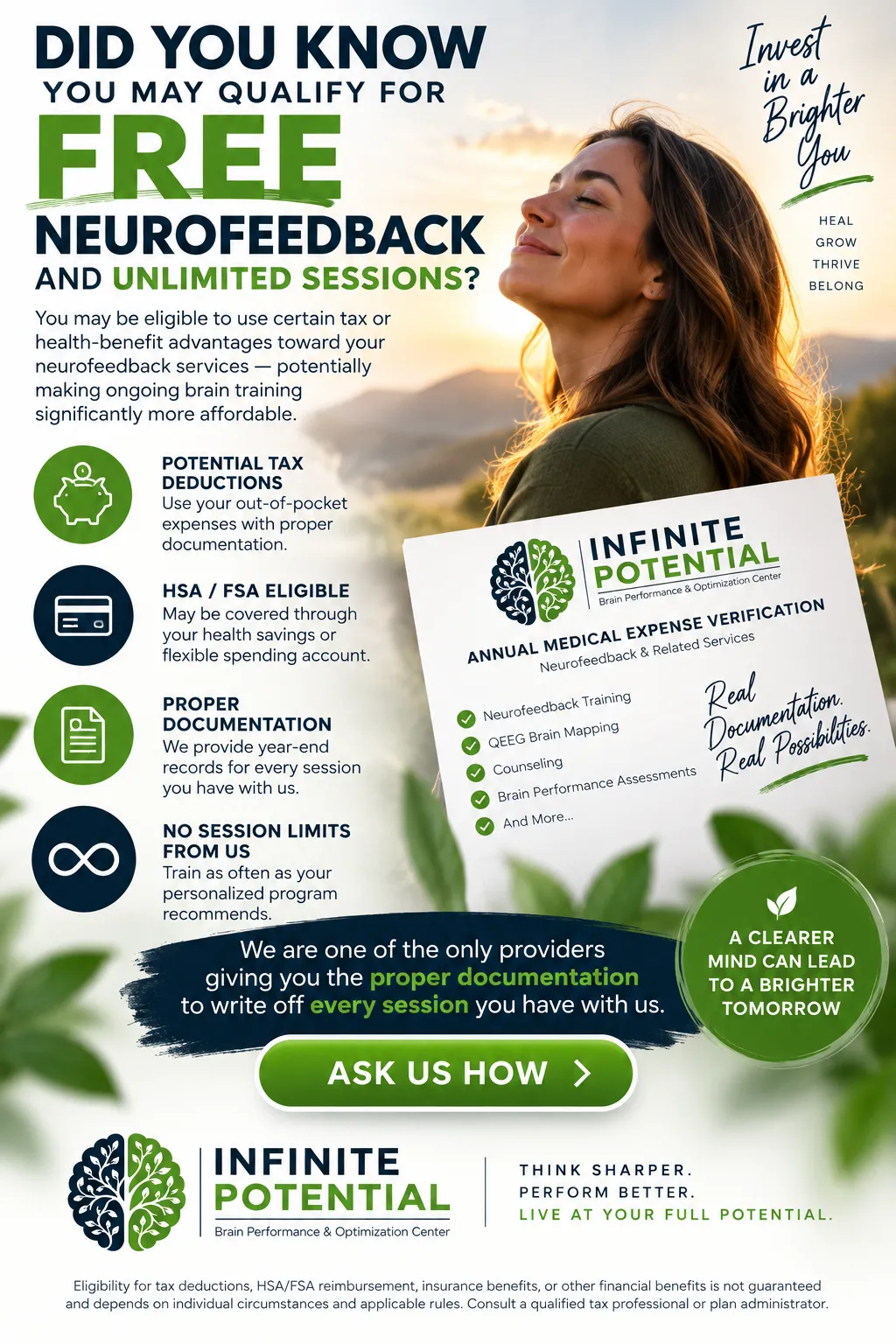
Did You Know Your Neurofeedback Could Cost You Less Than You Think?
You may be eligible to use certain tax or health-benefit advantages toward your neurofeedback services—potentially making ongoing brain training significantly more affordable or even free.
Infinite Potential provides year-end documentation of your sessions and qualifying out-of-pocket expenses, giving you the records you may need to discuss potential medical-expense deductions or reimbursement with your tax professional or benefits administrator.
No preset session limit from us. Train as often as your personalized program recommends.
Ask us how our Annual Medical Expense Documentation works.
Eligibility for tax deductions, HSA/FSA reimbursement, insurance benefits, or other financial benefits is not guaranteed and depends on individual circumstances and applicable rules. Consult a qualified tax professional or plan administrator.
Clarity. Calm. Confidence. It Starts With the Brain.
“Your Brain Holds More Potential Than You Think.”
Discover a smarter way to improve focus, clarity, resilience, and performance by starting where it all begins—the brain.
Understand Your Brain. Unlock What’s Possible.
Every brain is different. That’s why we start by looking deeper.
At Infinite Potential, we use advanced brain mapping and neurofeedback technology to better understand how your brain is functioning, identify patterns that may be affecting focus, stress, sleep, mood, learning, and performance, and create a personalized path toward improvement.
Whether the goal is to feel calmer, think clearer, perform better, or help your child thrive, it starts with understanding the brain.
See what’s happening. Train what matters. Unlock your potential.
See what’s happening.
Train what matters.
Unlock your potential.

The Goal Is Balance — Not One Side Over the Other
Left Brain. Right Brain. Infinite Potential.
At Infinite Potential, we look at how different areas of the brain are functioning and communicating, then use personalized neurofeedback training to help support greater regulation, flexibility, and overall brain performance.
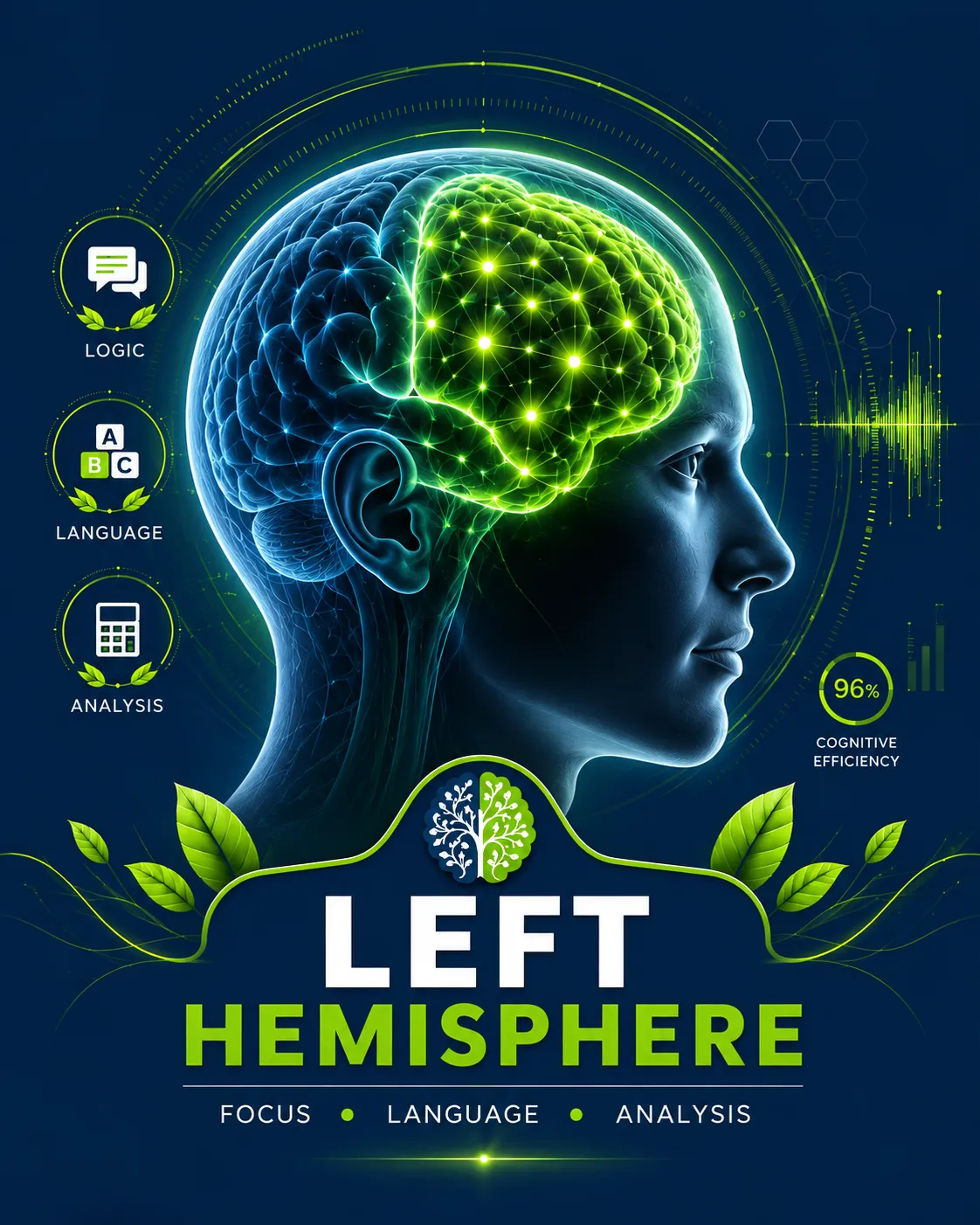
Focus. Language. Logic. Analysis. Precision.
The left hemisphere is often more involved in functions such as language processing, sequencing, attention to detail, calculation, and analytical thinking.
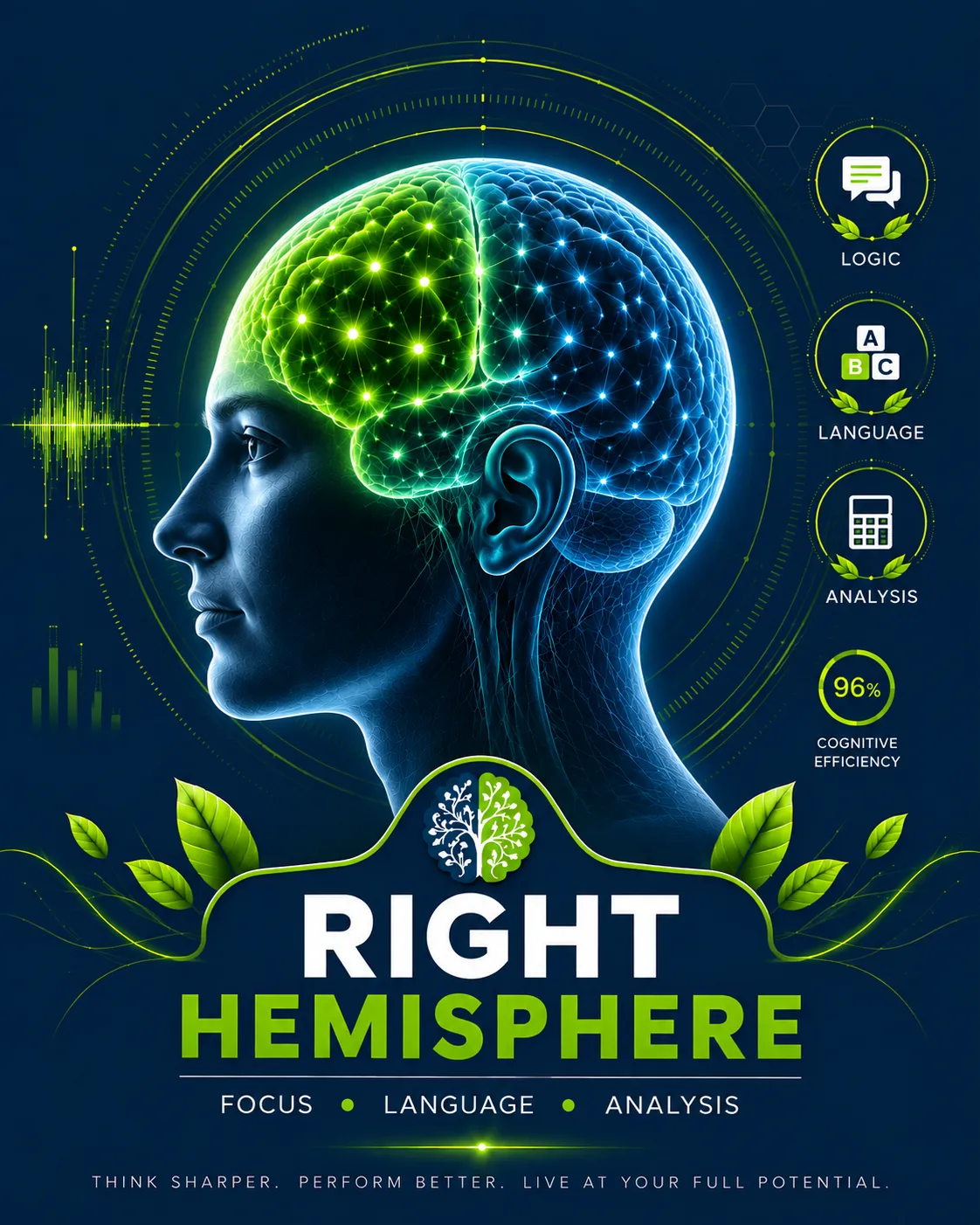
Creativity. Emotion. Big-Picture Thinking.
The right hemisphere often plays a greater role in spatial awareness, emotional processing, pattern recognition, imagination, and interpreting the bigger picture.
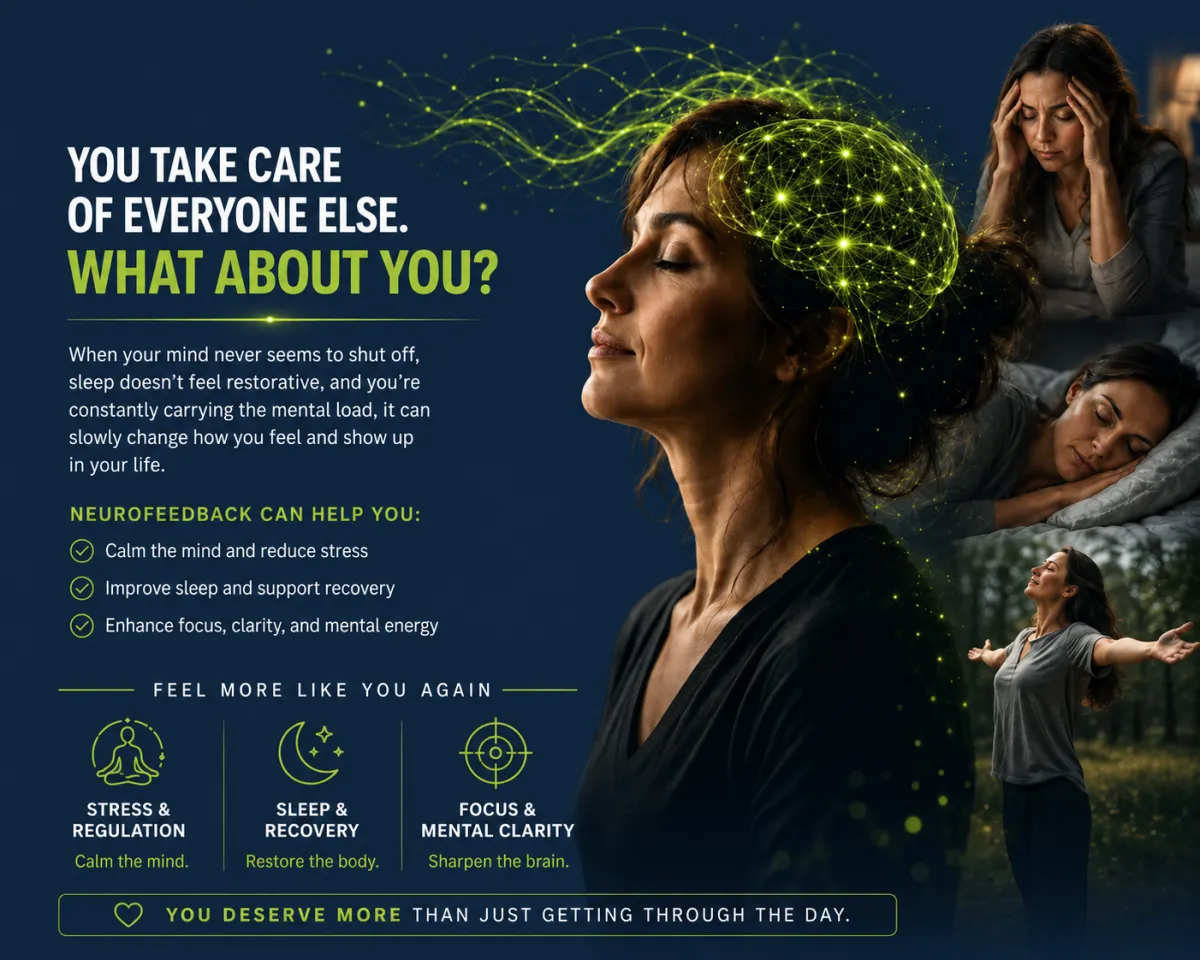
You Take Care of Everyone Else. What About You?
When your mind never seems to shut off, sleep doesn’t feel restorative, and you’re constantly carrying the mental load, it can slowly change how you feel, think, and show up in your life.
At Infinite Potential, neurofeedback and brain-performance training are designed to support better stress regulation, sleep, recovery, focus, and mental clarity—helping you create space to feel calmer, think clearer, and reconnect with the version of yourself you know is still there.
You deserve more than just getting through the day.
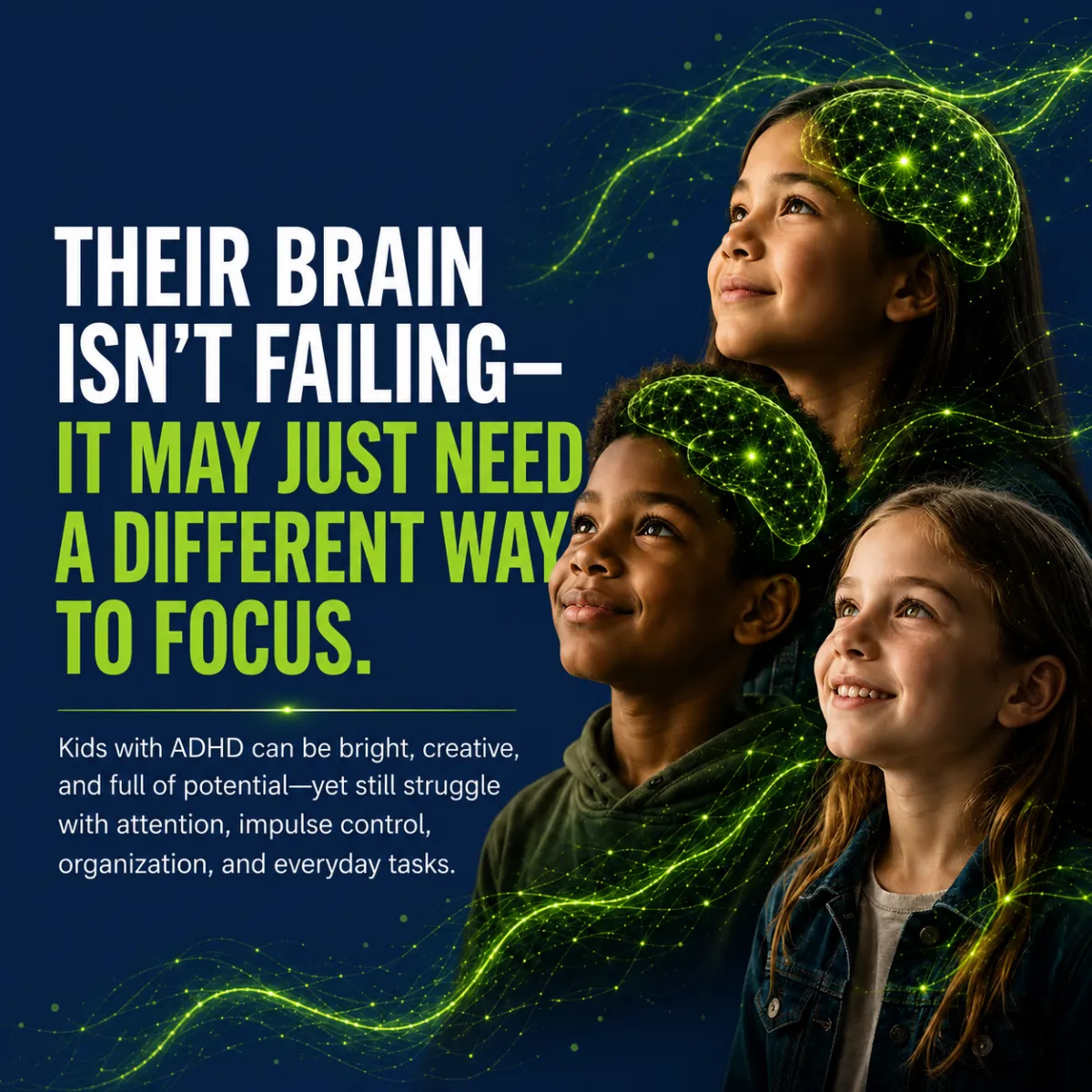
Their Brain Isn’t Failing—It May Just Need a Different Way to Focus.
Their Brain Isn’t Failing—It May Just Need a Different Way to Focus.
Kids with ADHD can be bright, creative, driven, and full of potential—yet still struggle with attention, impulse control, organization, emotional regulation, and completing everyday tasks.
At Infinite Potential, we take a brain-based approach to understanding what may be happening beneath the behavior. Through tools such as brain mapping, neurofeedback, and personalized performance training, we help families explore ways to support focus, self-regulation, confidence, learning, and overall brain performance.
Help their brain work with them—not against them.
Fight Smarter. Recover Harder. Stay Ready.
Fight Club by Infinite Potential is an elite brain, nervous system, and performance-recovery program built specifically for professional fighters and serious combat athletes.
This is not simply neurofeedback. It is a complete performance-based recovery system designed around the demands of fighting—intense training, repeated stress, rapid decision-making, reaction time, mental fatigue, recovery between camps, and the ability to stay composed when everything is happening at once.
The focus is on helping fighters support:
Sharper Focus & Reaction — Stay mentally engaged, process information quickly, and respond more efficiently under pressure.
Nervous System Regulation — Train the ability to shift between high-intensity performance and recovery instead of staying constantly “on.”
Brain & Cognitive Recovery — Support mental clarity and recovery after demanding training, sparring, competition, travel, and fight camps.
Stress Resilience — Build greater composure and adaptability when adrenaline, fatigue, pressure, and emotion are high.
Sleep & Recovery — Improve the conditions that allow the brain and body to reset between training sessions and performances.
Performance Consistency — Help create a brain that can access focus, confidence, control, and execution when it matters most.
Fight Club is built around one principle: a fighter’s most important weapon is the system controlling everything else.
You already train your strength.
You train your speed.
You train your technique.
Now Train the Brain Behind the Fighter.

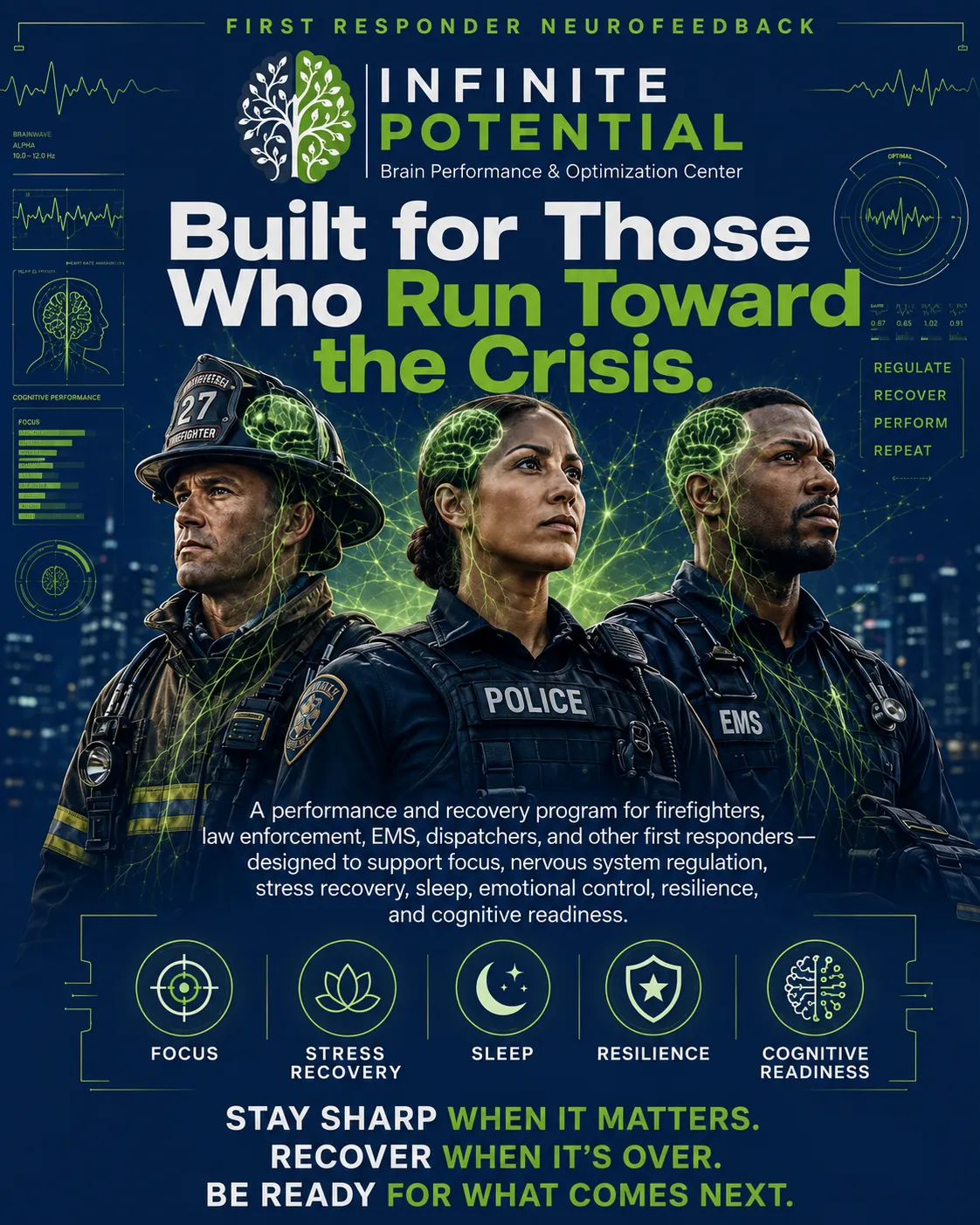
Built for Those Who Run Toward the Crisis.
First Responder Neurofeedback by Infinite Potential is a performance and recovery program designed for firefighters, law enforcement, EMS professionals, dispatchers, and others working in high-stress, high-demand environments.
The goal goes beyond traditional neurofeedback. We focus on brain performance, nervous system regulation, stress recovery, sleep, focus, emotional control, resilience, and cognitive readiness—helping first responders better manage the mental load that comes with repeated exposure to pressure.
Whether the challenge is staying sharp during long shifts, recovering after difficult calls, sleeping more consistently, managing stress, or maintaining focus under pressure, the program is built to support the brain and nervous system behind the badge.
Stay sharp when it matters. Recover when it’s over. Be ready for what comes next.
Who's This Perfect For
ADHD / Focus Issues
Sleep Struggles
Anxiety / Worry
Chronic Stress
Brain Fog
Memory Issues
Low Mental Performance
Learning Difficulties
Emotional regulation
Post-Training Recover
Hypervigilance / Burnout
Performance Pressure
Optimize the Brain. Elevate Everything.
Explore the science of neurofeedback, brain mapping, resilience, focus, and cognitive performance—and discover how high performers are training the brain to think sharper, recover faster, and operate at a higher level.
qEEG vs. EEG: What Is the Difference? | Cedar Park, TX
qEEG vs. EEG: What Is the Difference? Explore individualized qEEG-informed neurofeedback and realistic training goals for clients in Cedar Park, Texas. ...more
Neurofeedback
September 08, 2026•5 min read
Neurofeedback for Sleep: What Adults and Parents Should Know | Neurofeedback for Sleep in Round Rock, TX
An introduction to neurofeedback training for sleep-related concerns and the role of individualized assessment. Explore individualized sleep neurofeedback ...more
Neurofeedback
September 08, 2026•7 min read
Neurofeedback for Sleep: What Adults and Parents Should Know | Neurofeedback for Sleep in Pflugerville, TX
An introduction to neurofeedback training for sleep-related concerns and the role of individualized assessment. Explore individualized sleep neurofeedback ...more
Neurofeedback
September 08, 2026•6 min read
Neurofeedback for Sleep: What Adults and Parents Should Know | Neurofeedback for Sleep in Leander, TX
An introduction to neurofeedback training for sleep-related concerns and the role of individualized assessment. Explore individualized sleep neurofeedback ...more
Neurofeedback
September 08, 2026•6 min read
Neurofeedback for Sleep: What Adults and Parents Should Know | Neurofeedback for Sleep in Hutto, TX
An introduction to neurofeedback training for sleep-related concerns and the role of individualized assessment. Explore individualized sleep neurofeedback ...more
Neurofeedback
September 08, 2026•6 min read
Neurofeedback for Sleep: What Adults and Parents Should Know | Neurofeedback for Sleep in Georgetown, TX
An introduction to neurofeedback training for sleep-related concerns and the role of individualized assessment. Explore individualized sleep neurofeedback ...more
Neurofeedback
September 08, 2026•6 min read
Frequently Asked Questions
When you have a question, chances are someone else has too. Here are the answers to the most common questions about neurofeedback.
What is neurofeedback?
Neurofeedback is a non-invasive form of brain training that uses real-time information about brainwave activity to help the brain recognize and practice more efficient patterns of functioning.
What can neurofeedback help support?
Neurofeedback is often used to support goals related to focus, stress regulation, sleep, emotional balance, mental clarity, memory, resilience, and cognitive performance. Individual experiences and results can vary.
Is neurofeedback safe and does it hurt?
Neurofeedback training is non-invasive and does not involve needles or electrical stimulation being sent into the brain. Sensors simply monitor brain activity while you receive visual or auditory feedback.
Who can benefit from neurofeedback?
Our programs are designed for children, teens, adults, professionals, athletes, and high performers looking to better understand their brain and improve how they focus, regulate, recover, and perform.
What happens during a neurofeedback session?
Every brain and every goal is different. At Infinite Potential, we start by learning about your concerns and objectives and may use brain-mapping information to help determine an individualized approach.
Ready to Learn More?
Schedule a consultation and discover what may be possible when you better understand and train the brain.
Go Beyond Symptoms. Discover What Your Body Needs.
At Infinite Potential Functional Health, we take a deeper, whole-person approach to wellness—looking beyond symptoms to better understand the factors that may be affecting your energy, focus, stress, sleep, digestion, hormones, metabolism, and overall performance.
Our goal is to help uncover patterns, identify opportunities for improvement, and create a more personalized path toward feeling better, functioning better, and reaching your full potential.
Understand the root. Support the whole body. Unlock what’s possible.

What Our Customers Are Saying...
Personalized Brain Training
Built Around Your Brain
Every brain is different. We use brain mapping and individualized neurofeedback training to focus on your unique patterns and goals.
Non-Invasive & Drug-Free
Train the Brain Naturally Neurofeedback uses real-time feedback to help the brain practice healthier patterns—without needles, electrical stimulation, or medication as part of the training.

For Every Stage of Life
Children. Adults. High Performers.
From focus and emotional regulation to clarity, resilience, and peak performance, our programs are designed to support a wide range of goals.

Innovation
Fresh, creative solutions.

Integrity
Honesty and transparency.

Excellence
Top-notch services.
FOLLOW US


COMPANY
CUSTOMER CARE
LEGAL
Copyright 2026. Infinite Potential. All Rights Reserved.